

Electrolysis of seawater for chlorine production, balancing offshore operations with environmental safety
Electrolysis of seawater for chlorine production, balancing offshore operations with environmental safety
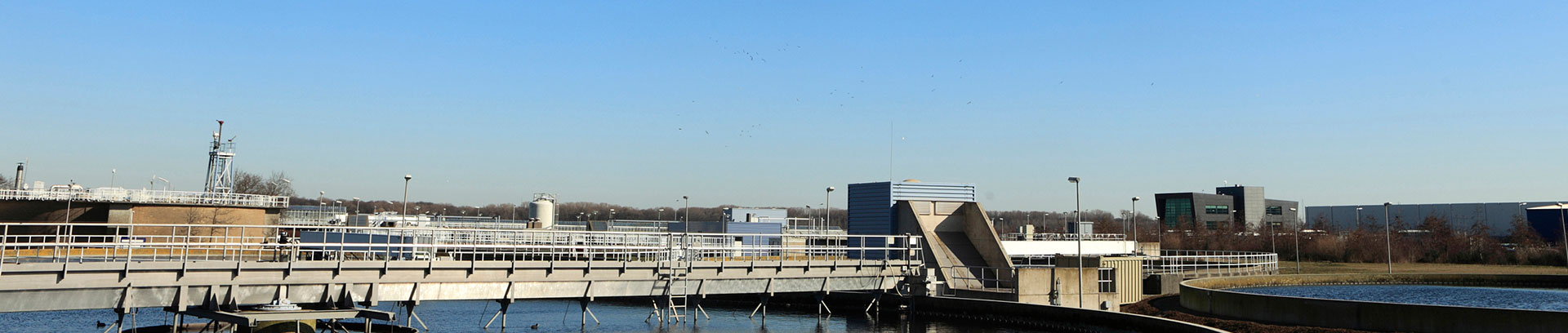
On the vast ocean, various offshore platforms, vessels, and facilities often rely on seawater for cooling and firefighting. However, biological fouling follows closely, becoming a persistent "hidden burden" that plagues industry operations. The attachment and growth of microorganisms, algae, and shellfish on submerged surfaces like pipelines and heat exchangers not only significantly reduce system efficiency and increase energy consumption but also risk causing equipment corrosion and blockage, leading to soaring maintenance costs and potential safety hazards.
To address this challenge, Electrolytic Seawater Chlorination (ESC) technology has become a mainstream solution for controlling marine biofouling. Yet, while pursuing efficient operation, how to minimize environmental impact and achieve a balance between marine development and ecological protection has also emerged as a critical issue requiring deep reflection from the industry.
Electrolytic Seawater Chlorination: Principle, Value, and Environmental Considerations
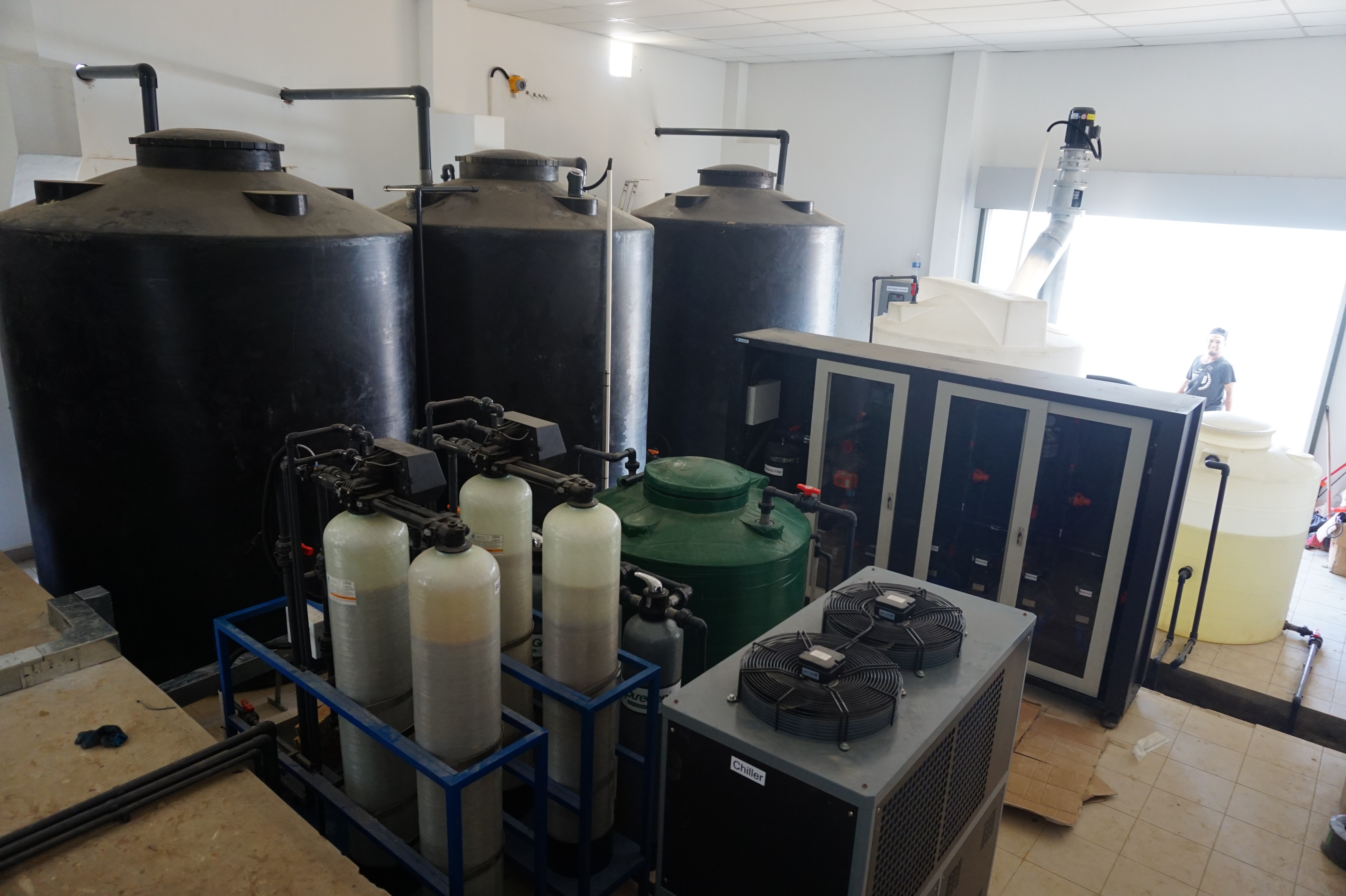
The principle of Electrolytic Seawater Chlorination technology is simple and efficient: using only seawater and electrical energy, it generates sodium hypochlorite—a highly effective disinfectant—on-site through the electrolysis process. This model of "on-site generation and immediate use" eliminates the need for long-distance transportation and large-scale storage of hazardous chemicals, enhancing operational safety at the source. Sodium hypochlorite effectively kills microbial larvae and spores in seawater, preventing the formation of biofilms and the attachment of larger organisms from the outset. For process systems relying on seawater cooling and critical safety facilities utilizing seawater for firefighting, this not only ensures stable operation and extends equipment lifespan but is also a crucial measure to meet stringent safety production regulations.
However, the application of technology must be accompanied by a profound sense of responsibility. Although chlorine persists for a relatively short time in the ocean, the industry remains highly attentive to its potential short-term impacts on marine life and the environmental risks associated with by-products. True industry leaders never settle merely for compliance with existing standards; they should proactively hold themselves to higher environmental requirements. Jinchuan firmly upholds this philosophy.
Jinchuan Defines New Environmental Standards Through Technological Innovation
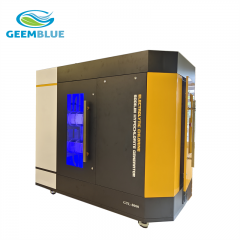
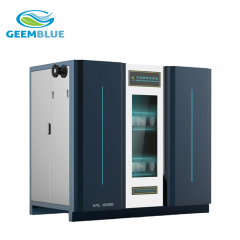
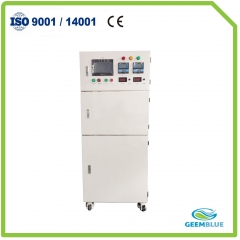
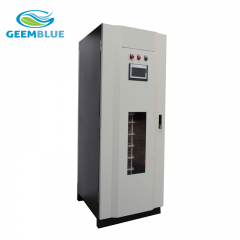
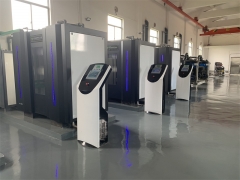
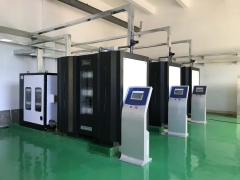
With over thirty years of profound expertise in electrolysis technology, Jinchuan has elevated the reliability and maturity of its Electrolytic Seawater Chlorination systems to an entirely new level. The ESC system launched by Jinchuan further incorporates forward-looking eco-design concepts.
Core Breakthrough: Patented Self-Cleaning Electrolyzer
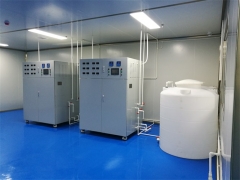
The heart of the Jinchuan system lies in its innovative self-cleaning electrolyzer. It employs a unique "current reversal" technology, requiring only a few minutes of automatic reverse operation daily to dissolve and remove deposits from the electrode surfaces. This design achieves a twofold leap:
Completely Eliminates Hazardous Chemicals
There is no longer a need to purchase, store, or handle hazardous chemical agents required for traditional acid cleaning maintenance. This greatly enhances on-site operational safety and reduces operational complexity.
Ensures Consistent Efficiency and Stability
The self-cleaning function ensures the electrodes remain in optimal working condition at all times. This not only maintains stable sodium hypochlorite production output and high quality but also establishes a foundation for the system's long-term, reliable operation from a process standpoint.
Eco-Friendly Design: Minimizing Ecological Impact from the Source
Jinchuan deeply believes that being responsible for the ocean means being responsible for its own future. The system proactively minimizes environmental impact through multiple design features:
Extremely Low Concentration, Safe and Controllable
The sodium hypochlorite solution generated by the system has a concentration of only 1000~2000 ppm, classifying it as a non-hazardous chemical. This low-concentration solution is used immediately after generation. While effectively inhibiting biofouling, it significantly reduces the total amount of chlorine entering the ocean and the generation of related by-products.
Intelligent Adjustment, Precise Dosing
The fully automatic control system can precisely adjust the production output according to actual demand, avoiding overdosing. This embodies an environmentally conscious operational philosophy of precision and minimization.
Application Scenarios: Providing Solid Protection for Critical Systems
Ensuring Safety of Offshore Firefighting Systems
For facilities utilizing seawater for firefighting, the unobstructed flow through pipelines, pumps, and valves is paramount. The ESC system can administer continuous or periodic shock dosing to the firewater system, effectively preventing mussels, algae, and other organisms from proliferating within the piping and pump chambers. This ensures that in an emergency, every drop of firewater can be delivered timely and in sufficient quantity to where it is needed, safeguarding lives and assets.
Safeguarding Efficiency of Industrial Cooling Systems
In cooling water systems for facilities such as LNG platforms and offshore power stations, biofouling can severely reduce heat exchange efficiency. The ESC system can inject precisely dosed sodium hypochlorite directly at the intake or within the pipelines, maintaining the cleanliness and efficiency of the cooling system. This ensures the stable operation of core processes and reduces additional energy consumption caused by efficiency losses.
As environmental standards for offshore applications continue to evolve and improve, Jinchuan chooses to move forward proactively. We use the Electrolytic Seawater Chlorination system as a vehicle to integrate environmental design standards that exceed conventional norms into our products. We are committed to establishing a model for the industry that combines outstanding performance, operational economy, and the protection of the marine ecosystem.